
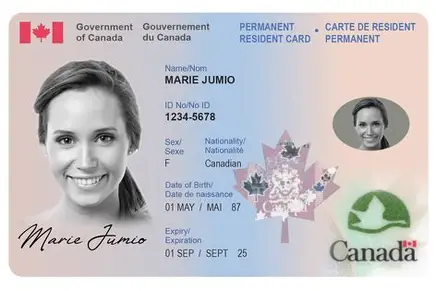
Buying Legal Canada Residence Permits
Welcome to Genuine Charter Gates, your one-stop shop for Authentic Verified EU Documents. We are authentic and verified providers of a wide range of Passports, Drivers Licenses, ID Cards, Residence Permits, Military Licenses and Certificates.
We produce Original, Real and Registered Driver’s License, ID Cards, Residence Permits, Passports, Biometric Passports. For the Driver’s License, we register all the information into their respective database systems and upon checks for conformity, using a data reading machine, all your information will show up in the system and you shall legally use the document.
Customers and the Clearnet community see us as one of the most dependable Issuers of Top Quality and Reliable nature of our Documents, Handling and our discreet delivery methods.
Contact us right now, and our professionals will be happy to help you with your requirements, advice and follow-up.
EMAIL: Genuinechartergates@gmail.com
Canada has emerged as one of the most desirable destinations in the world for immigrants, students, skilled workers, and entrepreneurs seeking stability, opportunity, and a high quality of life. With its robust economy, multicultural society, and immigrant-friendly policies, the country offers a wide range of residence permit options tailored to different needs and goals.
Whether you’re planning to move for work, education, family reunification, or long-term settlement, understanding the structure of Canadian residence permits is essential. This comprehensive guide explores everything you need to know about Canadian residence permits in 2026, including types, eligibility requirements, application processes, benefits, and expert tips to maximize your chances of approval.
What Is a Canadian Residence Permit?
A Canadian residence permit is an official authorization that allows a foreign national to live legally in Canada for a specified period or permanently. These permits fall into two broad categories:
- Temporary Residence Permits (TRP)
- Permanent Residence (PR)
Each category serves different purposes and comes with its own rights, limitations, and pathways.
Types of Canadian Residence Permits
Buying Legal Canada Residence Permits
Buying Legal Canada Residence Permits
Buying Legal Canada Residence Permits
Buying Legal Canada Residence Permits
Buying Legal Canada Residence Permits
1. Temporary Residence Permits
Temporary residence permits allow individuals to stay in Canada for a limited time. These are ideal for those who wish to work, study, or visit Canada temporarily.
a) Work Permits
Work permits are issued to foreign nationals who have secured employment in Canada. There are two main types:
- Employer-Specific Work Permit: Tied to a specific employer, job, and location.
- Open Work Permit: Allows you to work for almost any employer in Canada.
Popular programs include:
- Temporary Foreign Worker Program (TFWP)
- International Mobility Program (IMP)
b) Study Permits
A study permit allows international students to enroll in designated learning institutions (DLIs) in Canada. It often includes the ability to work part-time during studies and full-time during scheduled breaks.
c) Visitor Visas
Visitor visas (Temporary Resident Visas) are issued for tourism, family visits, or short business trips. These typically allow stays of up to six months.
2. Permanent Residence (PR)
Permanent residence is the most sought-after immigration status in Canada. It grants individuals the right to live, work, and study anywhere in the country indefinitely.
PR holders can eventually apply for Canadian citizenship after meeting residency requirements.
Key Pathways to Canadian Permanent Residence
Buying Legal Canada Residence Permits
Buying Legal Canada Residence Permits
Buying Legal Canada Residence Permits
Buying Legal Canada Residence Permits
Buying Legal Canada Residence Permits
1. Express Entry System
The Express Entry system is Canada’s primary immigration pathway for skilled workers. It manages applications under three programs:
- Federal Skilled Worker Program (FSWP)
- Federal Skilled Trades Program (FSTP)
- Canadian Experience Class (CEC)
Applicants are ranked using the Comprehensive Ranking System (CRS), which evaluates factors such as:
- Age
- Education
- Work experience
- Language proficiency
- Adaptability
High-ranking candidates receive Invitations to Apply (ITA) for permanent residence.
2. Provincial Nominee Program (PNP)
Each Canadian province and territory operates its own immigration streams to address local labor market needs.
A provincial nomination significantly boosts your CRS score, increasing your chances of receiving an ITA.
3. Family Sponsorship
Canadian citizens and permanent residents can sponsor eligible family members, including:
- Spouses or common-law partners
- Dependent children
- Parents and grandparents
This pathway emphasizes family reunification and often has more flexible requirements.
4. Business and Investor Programs
Entrepreneurs and investors can immigrate to Canada by establishing or investing in businesses that contribute to the economy.
Buying Legal Canada Residence Permits
Buying Legal Canada Residence Permits
Buying Legal Canada Residence Permits
Buying Legal Canada Residence Permits
Buying Legal Canada Residence Permits
Programs include:
- Start-Up Visa Program
- Self-Employed Persons Program
Benefits of Canadian Residence Permits
For Temporary Residents:
- Access to world-class education
- Legal employment opportunities
- Exposure to Canadian culture and lifestyle
For Permanent Residents:
- Universal healthcare access
- Social benefits
- Freedom to live and work anywhere in Canada
- Pathway to citizenship
- Protection under Canadian law and the Charter of Rights and Freedoms
Eligibility Requirements
Eligibility varies depending on the type of residence permit, but common requirements include:
General Criteria:
- Valid passport
- Proof of financial support
- Clean criminal record
- Medical examination (if required)
For Skilled Workers:
- Language test results (IELTS or TEF)
- Educational credential assessment (ECA)
- Relevant work experience
For Students:
- Acceptance letter from a DLI
- Proof of tuition payment
- Statement of purpose
Step-by-Step Application Process
Buying Legal Canada Residence Permits
Buying Legal Canada Residence Permits
Buying Legal Canada Residence Permits
Buying Legal Canada Residence Permits
Buying Legal Canada Residence Permits
Step 1: Determine Your Eligibility
Use official immigration tools or consult an expert to identify the most suitable program.
Step 2: Gather Required Documents
Prepare documents such as:
- Passport
- Language test results
- Educational credentials
- Work experience letters
Step 3: Create an Online Profile
For Express Entry, create a profile and enter the candidate pool.
Step 4: Receive Invitation to Apply (ITA)
If selected, you will receive an ITA to submit your full application.
Step 5: Submit Application
Complete your application online, upload documents, and pay required fees.
Step 6: Biometrics and Medical Exams
Provide fingerprints and undergo a medical examination if requested.
Step 7: Wait for Processing
Processing times vary depending on the program and application volume.
Processing Times in 2026
While timelines may fluctuate, typical processing durations are:
- Express Entry: 6–8 months
- Provincial Nominee Program: 8–14 months
- Study Permit: 4–12 weeks
- Work Permit: 4–16 weeks
Cost of Canadian Residence Permits
Typical Fees Include:
- Application processing fees
- Biometrics fee
- Language testing costs
- Medical examination fees
Estimated costs:
- Express Entry PR: $1,300–$1,500 CAD
- Study Permit: ~$150 CAD
- Work Permit: ~$155 CAD
Common Reasons for Application Rejection
Buying Legal Canada Residence Permits
Buying Legal Canada Residence Permits
Buying Legal Canada Residence Permits
Buying Legal Canada Residence Permits
Buying Legal Canada Residence Permits
Understanding why applications fail can help you avoid costly mistakes:
- Incomplete documentation
- Insufficient proof of funds
- Low CRS score
- Misrepresentation or incorrect information
- Failure to meet eligibility criteria
Tips to Increase Approval Chances
- Improve language test scores
- Gain additional work experience
- Apply through multiple pathways (e.g., PNP + Express Entry)
- Ensure document accuracy and completeness
- Seek professional guidance if needed
Life in Canada as a Resident
Living in Canada offers a balanced lifestyle with access to:
- High-quality healthcare
- Excellent education system
- Safe and inclusive communities
- Strong job market across various industries
Major cities like Toronto, Vancouver, and Montreal are known for their diversity and economic opportunities, while smaller provinces offer affordable living and targeted immigration programs.
Transition from Temporary to Permanent Residence
Many temporary residents transition to permanent status through programs like:
- Canadian Experience Class (CEC)
- Provincial Nominee Program (PNP)
- Employer-sponsored pathways
This makes Canada particularly attractive for international students and temporary workers.
Canadian Citizenship Pathway
After obtaining permanent residence, individuals can apply for citizenship if they:
- Have lived in Canada for at least 3 out of the last 5 years
- File taxes (if required)
- Pass a citizenship test
- Demonstrate language proficiency
Citizenship grants additional rights, including voting and obtaining a Canadian passport.
Canada has emerged as one of the most desirable destinations in the world for immigrants, students, skilled workers, and entrepreneurs seeking stability, opportunity, and a high quality of life. With its robust economy, multicultural society, and immigrant-friendly policies, the country offers a wide range of residence permit options tailored to different needs and goals.
Whether you’re planning to move for work, education, family reunification, or long-term settlement, understanding the structure of Canadian residence permits is essential. This comprehensive guide explores everything you need to know about Canadian residence permits in 2026, including types, eligibility requirements, application processes, benefits, and expert tips to maximize your chances of approval.
What Is a Canadian Residence Permit?
Buying Legal Canada Residence Permits
Buying Legal Canada Residence Permits
Buying Legal Canada Residence Permits
Buying Legal Canada Residence Permits
Buying Legal Canada Residence Permits
A Canadian residence permit is an official authorization that allows a foreign national to live legally in Canada for a specified period or permanently. These permits fall into two broad categories:
- Temporary Residence Permits (TRP)
- Permanent Residence (PR)
Each category serves different purposes and comes with its own rights, limitations, and pathways.
Types of Canadian Residence Permits
1. Temporary Residence Permits
Temporary residence permits allow individuals to stay in Canada for a limited time. These are ideal for those who wish to work, study, or visit Canada temporarily.
a) Work Permits
Work permits are issued to foreign nationals who have secured employment in Canada. There are two main types:
- Employer-Specific Work Permit: Tied to a specific employer, job, and location.
- Open Work Permit: Allows you to work for almost any employer in Canada.
Popular programs include:
- Temporary Foreign Worker Program (TFWP)
- International Mobility Program (IMP)
b) Study Permits
A study permit allows international students to enroll in designated learning institutions (DLIs) in Canada. It often includes the ability to work part-time during studies and full-time during scheduled breaks.
c) Visitor Visas
Visitor visas (Temporary Resident Visas) are issued for tourism, family visits, or short business trips. These typically allow stays of up to six months.
2. Permanent Residence (PR)
Permanent residence is the most sought-after immigration status in Canada. It grants individuals the right to live, work, and study anywhere in the country indefinitely.
PR holders can eventually apply for Canadian citizenship after meeting residency requirements.
Key Pathways to Canadian Permanent Residence
1. Express Entry System
The Express Entry system is Canada’s primary immigration pathway for skilled workers. It manages applications under three programs:
- Federal Skilled Worker Program (FSWP)
- Federal Skilled Trades Program (FSTP)
- Canadian Experience Class (CEC)
Applicants are ranked using the Comprehensive Ranking System (CRS), which evaluates factors such as:
- Age
- Education
- Work experience
- Language proficiency
- Adaptability
High-ranking candidates receive Invitations to Apply (ITA) for permanent residence.
2. Provincial Nominee Program (PNP)
Each Canadian province and territory operates its own immigration streams to address local labor market needs.
A provincial nomination significantly boosts your CRS score, increasing your chances of receiving an ITA.
3. Family Sponsorship
Canadian citizens and permanent residents can sponsor eligible family members, including:
- Spouses or common-law partners
- Dependent children
- Parents and grandparents
This pathway emphasizes family reunification and often has more flexible requirements.
4. Business and Investor Programs
Entrepreneurs and investors can immigrate to Canada by establishing or investing in businesses that contribute to the economy.
Programs include:
- Start-Up Visa Program
- Self-Employed Persons Program
Benefits of Canadian Residence Permits
For Temporary Residents:
- Access to world-class education
- Legal employment opportunities
- Exposure to Canadian culture and lifestyle
For Permanent Residents:
- Universal healthcare access
- Social benefits
- Freedom to live and work anywhere in Canada
- Pathway to citizenship
- Protection under Canadian law and the Charter of Rights and Freedoms
Eligibility Requirements
Eligibility varies depending on the type of residence permit, but common requirements include:
General Criteria:
- Valid passport
- Proof of financial support
- Clean criminal record
- Medical examination (if required)
For Skilled Workers:
- Language test results (IELTS or TEF)
- Educational credential assessment (ECA)
- Relevant work experience
For Students:
- Acceptance letter from a DLI
- Proof of tuition payment
- Statement of purpose
Step-by-Step Application Process
Step 1: Determine Your Eligibility
Use official immigration tools or consult an expert to identify the most suitable program.
Step 2: Gather Required Documents
Prepare documents such as:
- Passport
- Language test results
- Educational credentials
- Work experience letters
Step 3: Create an Online Profile
For Express Entry, create a profile and enter the candidate pool.
Step 4: Receive Invitation to Apply (ITA)
If selected, you will receive an ITA to submit your full application.
Step 5: Submit Application
Complete your application online, upload documents, and pay required fees.
Step 6: Biometrics and Medical Exams
Provide fingerprints and undergo a medical examination if requested.
Step 7: Wait for Processing
Processing times vary depending on the program and application volume.
Processing Times in 2026
While timelines may fluctuate, typical processing durations are:
- Express Entry: 6–8 months
- Provincial Nominee Program: 8–14 months
- Study Permit: 4–12 weeks
- Work Permit: 4–16 weeks
Cost of Canadian Residence Permits
Typical Fees Include:
- Application processing fees
- Biometrics fee
- Language testing costs
- Medical examination fees
Estimated costs:
- Express Entry PR: $1,300–$1,500 CAD
- Study Permit: ~$150 CAD
- Work Permit: ~$155 CAD
Common Reasons for Application Rejection
Understanding why applications fail can help you avoid costly mistakes:
- Incomplete documentation
- Insufficient proof of funds
- Low CRS score
- Misrepresentation or incorrect information
- Failure to meet eligibility criteria
Tips to Increase Approval Chances
- Improve language test scores
- Gain additional work experience
- Apply through multiple pathways (e.g., PNP + Express Entry)
- Ensure document accuracy and completeness
- Seek professional guidance if needed
Life in Canada as a Resident
Living in Canada offers a balanced lifestyle with access to:
- High-quality healthcare
- Excellent education system
- Safe and inclusive communities
- Strong job market across various industries
Major cities like Toronto, Vancouver, and Montreal are known for their diversity and economic opportunities, while smaller provinces offer affordable living and targeted immigration programs.
Transition from Temporary to Permanent Residence
Many temporary residents transition to permanent status through programs like:
- Canadian Experience Class (CEC)
- Provincial Nominee Program (PNP)
- Employer-sponsored pathways
This makes Canada particularly attractive for international students and temporary workers.
Canadian Citizenship Pathway
After obtaining permanent residence, individuals can apply for citizenship if they:
- Have lived in Canada for at least 3 out of the last 5 years
- File taxes (if required)
- Pass a citizenship test
- Demonstrate language proficiency
Citizenship grants additional rights, including voting and obtaining a Canadian passport.
Future of Canadian Immigration
Canada continues to expand its immigration targets to address labor shortages and economic growth. In 2026 and beyond, trends include:
- Increased intake of skilled workers
- Expansion of digital immigration processing
- Greater focus on regional immigration programs
- Enhanced support for international students transitioning to PR
Conclusion
Canadian residence permits offer a structured and accessible pathway for individuals seeking new opportunities in one of the world’s most welcoming countries. Whether you’re aiming for temporary stay or permanent settlement, understanding the available options and preparing a strong application is key to success.
With proper planning, accurate documentation, and a clear strategy, your journey toward living in Canada can become a reality.
Frequently Asked Questions (FAQs)
1. Can I apply for permanent residence without a job offer?
Yes, many programs such as the Federal Skilled Worker Program do not require a job offer.
2. How long does permanent residence last?
Permanent residence does not expire, but you must meet residency obligations to maintain your status.
3. Can I include my family in my application?
Yes, most immigration programs allow you to include eligible family members.
4. Is IELTS mandatory?
For most economic immigration programs, yes. However, requirements vary.
5. Can I work while studying in Canada?
Yes, international students can work part-time during academic sessions and full-time during breaks.
Final Thoughts
Canada’s immigration system is one of the most transparent and opportunity-driven in the world. By choosing the right residence permit and preparing thoroughly, you can unlock a future filled with growth, security, and global opportunities.
If you’re serious about relocating, start planning today—because the sooner you begin, the closer you are to calling Canada your new home.