
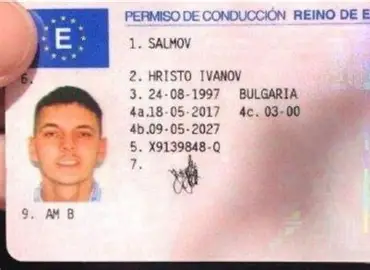
Acquiring Genuine Spain Drivers Licenses
Welcome to Genuine Charter Gates, your one-stop shop for Authentic Verified EU Documents. We are authentic and verified providers of a wide range of Passports, Drivers Licenses, ID Cards, Residence Permits, Military Licenses and Certificates.
We produce Original, Real and Registered Driver’s License, ID Cards, Residence Permits, Passports, Biometric Passports. For the Driver’s License, we register all the information into their respective database systems and upon checks for conformity, using a data reading machine, all your information will show up in the system and you shall legally use the document.
Customers and the Clearnet community see us as one of the most dependable Issuers of Top Quality and Reliable nature of our Documents, Handling and our discreet delivery methods.
Contact us right now, and our professionals will be happy to help you with your requirements, advice and follow-up.
EMAIL: Genuinechartergates@gmail.com
Driving in Spain offers a unique blend of scenic coastal highways, historic city streets, and modern infrastructure. Whether you’re a resident, a newcomer, or planning an extended stay, understanding how Spanish driver’s licenses work is essential for staying compliant and enjoying the freedom of the road.
This comprehensive guide walks you through everything you need to know—from license types and requirements to exchange procedures and practical tips for navigating Spain’s driving system.
Understanding the Spanish Driver’s License System
Acquiring Genuine Spain Drivers Licenses. The Spanish license system follows European Union standards, meaning it is recognized across EU and EEA countries. Licenses are issued in a standardized card format and include categories that determine what types of vehicles you are allowed to drive.
Types of Driver’s Licenses in Spain
Acquiring Genuine Spain Drivers Licenses
Acquiring Genuine Spain Drivers Licenses
Acquiring Genuine Spain Drivers Licenses
Acquiring Genuine Spain Drivers Licenses
Acquiring Genuine Spain Drivers Licenses
Spain offers several license categories depending on the type of vehicle. Here are the most common:
1. Category B (Standard Car License)
This is the most widely held license in Spain.
- Allows driving cars up to 3,500 kg
- Maximum of 9 passengers (including driver)
- Minimum age: 18
2. Category A (Motorcycles)
Split into subcategories:
- AM: Mopeds (from age 15)
- A1: Light motorcycles (from age 16)
- A2: Medium motorcycles (from age 18)
- A: Unlimited motorcycles (after experience with A2)
3. Category C (Trucks)
- For vehicles over 3,500 kg
- Requires prior Category B license
4. Category D (Buses)
- For transporting more than 9 passengers
- Additional professional certification required
Each category may have additional requirements, including medical checks and theory/practical exams.
Who Needs a Spanish Driver’s License?
Your need for a Spanish license depends on your residency status and where your current license was issued.
EU/EEA License Holders
If you hold a valid EU or EEA license:
- You can drive in Spain without exchanging it
- You may need to register it with the DGT after becoming a resident
- Renewal must be done in Spain once it expires
Non-EU License Holders
If you’re from outside the EU:
- You can drive for up to 6 months using your foreign license
- After that, you must either exchange it (if eligible) or obtain a Spanish license
License Exchange (Canje) in Spain
Acquiring Genuine Spain Drivers Licenses
Acquiring Genuine Spain Drivers Licenses
Acquiring Genuine Spain Drivers Licenses
Acquiring Genuine Spain Drivers Licenses
Acquiring Genuine Spain Drivers Licenses
Spain has agreements with several countries allowing direct exchange without taking a full driving test.
Countries Eligible for Exchange
Examples include:
- United Kingdom
- United States (selected states)
- Canada
- Australia
- Japan
Requirements typically include:
- Valid license from your home country
- Proof of residency in Spain
- Medical fitness certificate
- Application through the DGT
If your country does not have an agreement, you’ll need to go through the full licensing process.
How to Get a Spanish Driver’s License
If you’re starting from scratch or cannot exchange your license, here’s the process:
1. Enroll in a Driving School
While not mandatory, most applicants use a driving school (autoescuela) to prepare.
2. Pass the Theory Test
- Multiple-choice exam (30 questions)
- Covers road signs, rules, and safety
- Available in several languages
3. Medical Examination
- Conducted at authorized centers
- Tests vision, hearing, and coordination
4. Practical Driving Test
- Conducted with a DGT examiner
- Typically lasts 25–30 minutes
- Focuses on real-world driving scenarios
5. Receive Your License
After passing, you’ll receive a temporary permit followed by the official card.
Required Documents
To apply for a license or exchange, you generally need:
- Valid ID or passport
- Residency certificate (NIE/TIE)
- Passport-sized photos
- Medical certificate
- Application form
- Existing driver’s license (if exchanging)
Cost of Getting a License in Spain
Acquiring Genuine Spain Drivers Licenses
Acquiring Genuine Spain Drivers Licenses
Acquiring Genuine Spain Drivers Licenses
Acquiring Genuine Spain Drivers Licenses
Acquiring Genuine Spain Drivers Licenses
The total cost can vary depending on how many lessons you need, but here’s a rough breakdown:
- Driving school enrollment: €200–€400
- Theory test fees: ~€90
- Practical test fees: included or additional
- Driving lessons: €25–€40 per lesson
- Medical exam: €30–€60
💡 Average total: €600–€1,200
Renewal of Spanish Driver’s Licenses
Licenses in Spain must be renewed periodically:
- Every 10 years (under age 65)
- Every 5 years (over age 65)
Renewal involves:
- A medical check
- Payment of a fee
- Updated photo
No retesting is required unless there are serious health concerns.
Points-Based Driving System
Spain uses a points system to promote safe driving.
Key Facts:
- New drivers start with 8 points
- Experienced drivers have up to 12 points
- Maximum possible: 15 points (for good behavior)
Points are deducted for violations such as:
- Speeding
- Using a mobile phone while driving
- Driving under the influence
Losing all points results in license suspension and mandatory retraining.
Driving Rules and Regulations in Spain
Understanding local driving laws is crucial:
Speed Limits
- Urban areas: 30–50 km/h
- Secondary roads: 90 km/h
- Highways: 120 km/h
Alcohol Limits
- 0.5 g/l blood alcohol content
- Lower limits for new drivers
Mandatory Equipment
- Reflective vest
- Warning triangles (being phased out in favor of V16 beacons)
Seatbelts and Child Safety
- Mandatory for all passengers
- Child seats required for young children
Driving in Spain as a Tourist
Acquiring Genuine Spain Drivers Licenses
Acquiring Genuine Spain Drivers Licenses
Acquiring Genuine Spain Drivers Licenses
Acquiring Genuine Spain Drivers Licenses
Acquiring Genuine Spain Drivers Licenses
Tourists can drive in Spain with:
- A valid foreign license
- An International Driving Permit (IDP), if required
Car rental companies often require:
- Minimum age (usually 21–25)
- Credit card
- Driving experience (1–2 years minimum)
Benefits of Having a Spanish Driver’s License
Obtaining a Spanish license offers several advantages:
- Legal compliance for long-term residents
- Easier car rental and insurance processes
- Recognition across the EU
- Access to local services and identification uses
Common Challenges and How to Overcome Them
Language Barrier
While theory tests are available in English, practical tests are often conducted in Spanish. Taking lessons with bilingual instructors can help.
Appointment Delays
DGT appointments can take weeks or months. Booking early is crucial.
Test Anxiety
Practice extensively and consider mock exams to build confidence.
Tips for Passing the Spanish Driving Test
- Study official DGT materials thoroughly
- Take multiple practice tests
- Learn local road signs carefully
- Practice defensive driving
- Stay calm and focused during the exam
Digitalization and the Future of Driving Licenses in Spain
Spain is embracing digital transformation, including:
- Mobile driver’s licenses via official apps
- Online appointment systems
- Automated enforcement technologies
The DGT continues to modernize processes, making it easier for drivers to manage their licenses and stay informed.
Frequently Asked Questions
Can I drive in Spain with a UK license after Brexit?
Yes, but rules depend on residency status. Exchange may be required for long-term residents.
How long does it take to get a Spanish license?
Typically 1–3 months, depending on test availability and preparation.
Is the Spanish driving test difficult?
It can be challenging due to strict evaluation standards, but preparation significantly improves success rates.
Can I take the test in English?
The theory test, yes. The practical test is usually conducted in Spanish.
Final Thoughts
Getting a Spanish driver’s license is a valuable step for anyone planning to live or spend extended time in Spain. While the process may seem complex at first, understanding the requirements and preparing properly makes it entirely manageable.
From navigating the procedures set by the Dirección General de Tráfico to mastering local road rules, each step brings you closer to enjoying the freedom and flexibility of driving in one of Europe’s most beautiful countries.
Acquiring Genuine Spain Drivers Licenses
Acquiring Genuine Spain Drivers Licenses
Acquiring Genuine Spain Drivers Licenses
Acquiring Genuine Spain Drivers Licenses
Acquiring Genuine Spain Drivers Licenses
Whether you’re cruising along the Mediterranean coast or exploring inland villages, having the right license ensures your journey is both legal and enjoyable.
Driving in Spain offers a unique blend of scenic coastal highways, historic city streets, and modern infrastructure. Whether you’re a resident, a newcomer, or planning an extended stay, understanding how Spanish driver’s licenses work is essential for staying compliant and enjoying the freedom of the road.
This comprehensive guide walks you through everything you need to know—from license types and requirements to exchange procedures and practical tips for navigating Spain’s driving system.
Understanding the Spanish Driver’s License System
Driver licensing in Spain is regulated by the Dirección General de Tráfico (DGT), the national authority responsible for road safety, driver testing, and vehicle registration.
The Spanish license system follows European Union standards, meaning it is recognized across EU and EEA countries. Licenses are issued in a standardized card format and include categories that determine what types of vehicles you are allowed to drive.
Types of Driver’s Licenses in Spain
Spain offers several license categories depending on the type of vehicle. Here are the most common:
1. Category B (Standard Car License)
This is the most widely held license in Spain.
- Allows driving cars up to 3,500 kg
- Maximum of 9 passengers (including driver)
- Minimum age: 18
2. Category A (Motorcycles)
Split into subcategories:
- AM: Mopeds (from age 15)
- A1: Light motorcycles (from age 16)
- A2: Medium motorcycles (from age 18)
- A: Unlimited motorcycles (after experience with A2)
3. Category C (Trucks)
- For vehicles over 3,500 kg
- Requires prior Category B license
4. Category D (Buses)
- For transporting more than 9 passengers
- Additional professional certification required
Each category may have additional requirements, including medical checks and theory/practical exams.
Who Needs a Spanish Driver’s License?
Your need for a Spanish license depends on your residency status and where your current license was issued.
EU/EEA License Holders
If you hold a valid EU or EEA license:
- You can drive in Spain without exchanging it
- You may need to register it with the DGT after becoming a resident
- Renewal must be done in Spain once it expires
Non-EU License Holders
If you’re from outside the EU:
- You can drive for up to 6 months using your foreign license
- After that, you must either exchange it (if eligible) or obtain a Spanish license
License Exchange (Canje) in Spain
Spain has agreements with several countries allowing direct exchange without taking a full driving test.
Countries Eligible for Exchange
Examples include:
- United Kingdom
- United States (selected states)
- Canada
- Australia
- Japan
Requirements typically include:
- Valid license from your home country
- Proof of residency in Spain
- Medical fitness certificate
- Application through the DGT
If your country does not have an agreement, you’ll need to go through the full licensing process.
How to Get a Spanish Driver’s License
If you’re starting from scratch or cannot exchange your license, here’s the process:
1. Enroll in a Driving School
While not mandatory, most applicants use a driving school (autoescuela) to prepare.
2. Pass the Theory Test
- Multiple-choice exam (30 questions)
- Covers road signs, rules, and safety
- Available in several languages
3. Medical Examination
- Conducted at authorized centers
- Tests vision, hearing, and coordination
4. Practical Driving Test
- Conducted with a DGT examiner
- Typically lasts 25–30 minutes
- Focuses on real-world driving scenarios
5. Receive Your License
After passing, you’ll receive a temporary permit followed by the official card.
Required Documents
To apply for a license or exchange, you generally need:
- Valid ID or passport
- Residency certificate (NIE/TIE)
- Passport-sized photos
- Medical certificate
- Application form
- Existing driver’s license (if exchanging)
Cost of Getting a License in Spain
The total cost can vary depending on how many lessons you need, but here’s a rough breakdown:
- Driving school enrollment: €200–€400
- Theory test fees: ~€90
- Practical test fees: included or additional
- Driving lessons: €25–€40 per lesson
- Medical exam: €30–€60
💡 Average total: €600–€1,200
Renewal of Spanish Driver’s Licenses
Licenses in Spain must be renewed periodically:
- Every 10 years (under age 65)
- Every 5 years (over age 65)
Renewal involves:
- A medical check
- Payment of a fee
- Updated photo
No retesting is required unless there are serious health concerns.
Points-Based Driving System
Spain uses a points system to promote safe driving.
Key Facts:
- New drivers start with 8 points
- Experienced drivers have up to 12 points
- Maximum possible: 15 points (for good behavior)
Points are deducted for violations such as:
- Speeding
- Using a mobile phone while driving
- Driving under the influence
Losing all points results in license suspension and mandatory retraining.
Driving Rules and Regulations in Spain
Understanding local driving laws is crucial:
Speed Limits
- Urban areas: 30–50 km/h
- Secondary roads: 90 km/h
- Highways: 120 km/h
Alcohol Limits
- 0.5 g/l blood alcohol content
- Lower limits for new drivers
Mandatory Equipment
- Reflective vest
- Warning triangles (being phased out in favor of V16 beacons)
Seatbelts and Child Safety
- Mandatory for all passengers
- Child seats required for young children
Driving in Spain as a Tourist
Tourists can drive in Spain with:
- A valid foreign license
- An International Driving Permit (IDP), if required
Car rental companies often require:
- Minimum age (usually 21–25)
- Credit card
- Driving experience (1–2 years minimum)
Benefits of Having a Spanish Driver’s License
Obtaining a Spanish license offers several advantages:
- Legal compliance for long-term residents
- Easier car rental and insurance processes
- Recognition across the EU
- Access to local services and identification uses
Common Challenges and How to Overcome Them
Language Barrier
While theory tests are available in English, practical tests are often conducted in Spanish. Taking lessons with bilingual instructors can help.
Appointment Delays
DGT appointments can take weeks or months. Booking early is crucial.
Test Anxiety
Practice extensively and consider mock exams to build confidence.
Tips for Passing the Spanish Driving Test
- Study official DGT materials thoroughly
- Take multiple practice tests
- Learn local road signs carefully
- Practice defensive driving
- Stay calm and focused during the exam
Digitalization and the Future of Driving Licenses in Spain
Spain is embracing digital transformation, including:
- Mobile driver’s licenses via official apps
- Online appointment systems
- Automated enforcement technologies
The DGT continues to modernize processes, making it easier for drivers to manage their licenses and stay informed.
Frequently Asked Questions
Can I drive in Spain with a UK license after Brexit?
Yes, but rules depend on residency status. Exchange may be required for long-term residents.
How long does it take to get a Spanish license?
Typically 1–3 months, depending on test availability and preparation.
Is the Spanish driving test difficult?
It can be challenging due to strict evaluation standards, but preparation significantly improves success rates.
Can I take the test in English?
The theory test, yes. The practical test is usually conducted in Spanish.
Final Thoughts
Getting a Spanish driver’s license is a valuable step for anyone planning to live or spend extended time in Spain. While the process may seem complex at first, understanding the requirements and preparing properly makes it entirely manageable.
From navigating the procedures set by the Dirección General de Tráfico to mastering local road rules, each step brings you closer to enjoying the freedom and flexibility of driving in one of Europe’s most beautiful countries.
Whether you’re cruising along the Mediterranean coast or exploring inland villages, having the right license ensures your journey is both legal and enjoyable.