
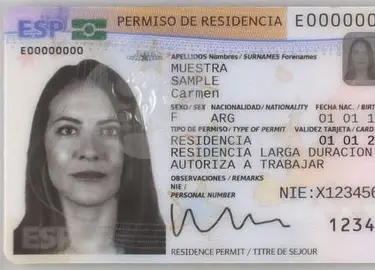
Acquiring Verified Spain Residence Permits
Welcome to Genuine Charter Gates, your one-stop shop for Authentic Verified EU Documents. We are authentic and verified providers of a wide range of Passports, Drivers Licenses, ID Cards, Residence Permits, Military Licenses and Certificates.
We produce Original, Real and Registered Driver’s License, ID Cards, Residence Permits, Passports, Biometric Passports. For the Driver’s License, we register all the information into their respective database systems and upon checks for conformity, using a data reading machine, all your information will show up in the system and you shall legally use the document.
Customers and the Clearnet community see us as one of the most dependable Issuers of Top Quality and Reliable nature of our Documents, Handling and our discreet delivery methods.
Contact us right now, and our professionals will be happy to help you with your requirements, advice and follow-up.
EMAIL: Genuinechartergates@gmail.com
Introduction
Spain has long been one of the most desirable destinations in the world for relocation, offering a unique blend of Mediterranean lifestyle, rich cultural heritage, modern infrastructure, and a relatively affordable cost of living compared to other Western European countries. Whether you are a remote worker, investor, retiree, or skilled professional, obtaining a Spain residence permit can open the door to a high quality of life and access to the broader European Union.
In this comprehensive guide, we will explore everything you need to know about Spain residence permits in 2026, including types of permits, eligibility requirements, application processes, benefits, costs, and expert tips to maximize your chances of approval.
What Is a Spain Residence Permit?
A Spain residence permit is an official authorization that allows non-EU/EEA citizens to live legally in Spain for a specified period. Depending on the type of permit, you may also gain the right to work, study, invest, or conduct business activities within the country.
Acquiring Verified Spain Residence Permits
Acquiring Verified Spain Residence Permits
Acquiring Verified Spain Residence Permits
Acquiring Verified Spain Residence Permits
Acquiring Verified Spain Residence Permits
Residence permits are typically categorized into:
- Short-term residence permits (up to 1 year)
- Temporary residence permits (1–5 years)
- Long-term residence permits (5+ years)
- Permanent residency and eventual citizenship
Why Choose Spain for Residency?
Before diving into the permit options, it’s important to understand why Spain continues to attract global applicants.
Key Benefits of Living in Spain
- Excellent climate with over 300 sunny days per year
- Affordable cost of living compared to other EU countries
- High-quality healthcare system
- World-class education institutions
- Access to the Schengen Area for travel across Europe
- Vibrant lifestyle and culture
- Growing remote work and digital nomad ecosystem
Types of Spain Residence Permits
Spain offers a variety of residence permits tailored to different lifestyles and financial situations.
1. Non-Lucrative Residence Permit
This permit is ideal for individuals who wish to live in Spain without engaging in professional or work activities.
Key Features:
- No work allowed
- Requires proof of sufficient financial means
- Popular among retirees and financially independent individuals
Financial Requirements:
Applicants must demonstrate a stable income or savings, typically around:
- €28,000+ annually for the main applicant
- Additional funds for dependents
2. Work and Employment Residence Permit
This category is designed for individuals who have secured employment in Spain.
Types:
- Employee work permit
- Self-employed (autónomo) permit
Requirements:
- Valid job offer or business plan
- Employer sponsorship (for employees)
- Compliance with Spanish labor laws
3. Golden Visa (Investor Residence Permit)
One of the most attractive pathways for high-net-worth individuals, the Golden Visa allows residency through investment.
Acquiring Verified Spain Residence Permits
Acquiring Verified Spain Residence Permits
Acquiring Verified Spain Residence Permits
Acquiring Verified Spain Residence Permits
Acquiring Verified Spain Residence Permits
Investment Options:
- €500,000 in real estate
- €1 million in Spanish companies or bank deposits
- €2 million in government bonds
Advantages:
- No minimum stay requirement
- Family members included
- Fast-track processing
4. Digital Nomad Visa (Remote Work Residence Permit)
Introduced to attract remote workers, this permit is gaining massive popularity.
Ideal For:
- Freelancers
- Remote employees working for non-Spanish companies
Requirements:
- Proof of remote employment or contracts
- Minimum income threshold
- Clean criminal record
Benefits:
- Lower tax rates under special regimes
- Access to Spain’s lifestyle without local employment restrictions
5. Student Residence Permit
Designed for international students enrolled in Spanish educational institutions.
Features:
- Valid for the duration of studies
- Limited work allowance (part-time)
- Possibility to transition into a work permit after graduation
6. Family Reunification Permit
Allows legal residents to bring close family members to Spain.
Eligible Family Members:
- Spouse or partner
- Children under 18
- Dependent parents
Spain Residence Permit Requirements
While each permit type has specific criteria, there are common requirements across most applications.
General Requirements:
- Valid passport
- Proof of financial means
- Health insurance coverage
- Clean criminal record certificate
- Medical certificate
- Completed application forms
- Payment of government fees
Step-by-Step Application Process
Acquiring Verified Spain Residence Permits
Acquiring Verified Spain Residence Permits
Acquiring Verified Spain Residence Permits
Acquiring Verified Spain Residence Permits
Acquiring Verified Spain Residence Permits
Applying for a Spain residence permit involves several stages. Here’s a simplified breakdown:
Step 1: Choose the Right Permit
Identify the permit that aligns with your goals (work, retirement, investment, etc.).
Step 2: Gather Documentation
Ensure all required documents are translated into Spanish and legalized where necessary.
Step 3: Submit Application
Applications are typically submitted at:
- Spanish consulates (from abroad)
- Immigration offices in Spain (in certain cases)
Step 4: Attend Appointment
Biometrics and interviews may be required.
Step 5: Wait for Approval
Processing times vary:
- Non-lucrative visa: 1–3 months
- Golden Visa: 20–45 days
- Digital Nomad Visa: ~1–2 months
Step 6: Obtain Residence Card (TIE)
After arrival in Spain, you must apply for the Tarjeta de Identidad de Extranjero (TIE).
Costs Involved
The cost of obtaining a Spain residence permit depends on the type of visa.
Typical Expenses:
- Visa application fees: €60–€150
- Legal assistance: €1,000–€5,000 (optional)
- Health insurance: €50–€200/month
- Translation and notarization: €200–€800
Investment-based permits will, of course, require significantly higher capital.
Validity and Renewal
Most residence permits are initially granted for 1 year and can be renewed.
Renewal Conditions:
- Continued eligibility
- Proof of residence in Spain (in some cases)
- Updated financial and legal documentation
After 5 years of continuous residence, you may qualify for:
- Long-term residency
- Permanent residency
- Spanish citizenship (after 10 years, or less for certain nationalities)
Tax Implications for Residents
Acquiring Verified Spain Residence Permits
Acquiring Verified Spain Residence Permits
Acquiring Verified Spain Residence Permits
Acquiring Verified Spain Residence Permits
Acquiring Verified Spain Residence Permits
Becoming a resident in Spain may affect your tax obligations.
Key Points:
- Residents are taxed on worldwide income
- Non-residents are taxed only on Spanish-sourced income
- Digital nomads may benefit from special tax regimes (e.g., Beckham Law)
It is highly recommended to consult a tax advisor before relocating.
Benefits of Spain Residency
Obtaining a residence permit in Spain comes with numerous advantages:
Lifestyle Benefits:
- Mediterranean diet and healthy living
- Access to beaches, mountains, and cities
- Relaxed pace of life
Legal Benefits:
- Freedom of movement within Schengen countries
- Access to public services
- Legal protection under EU laws
Economic Benefits:
- Business opportunities
- Real estate investment potential
- Growing startup ecosystem
Common Mistakes to Avoid
When applying for a Spain residence permit, avoid these common pitfalls:
- Submitting incomplete documentation
- Underestimating financial requirements
- Choosing the wrong permit type
- Ignoring tax obligations
- Missing renewal deadlines
Tips for a Successful Application
To improve your chances of approval:
- Work with an immigration lawyer
- Prepare documents well in advance
- Ensure financial transparency
- Maintain valid health insurance
- Stay informed about policy changes
Spain Residence Permit vs Citizenship
Acquiring Verified Spain Residence Permits
Acquiring Verified Spain Residence Permits
Acquiring Verified Spain Residence Permits
Acquiring Verified Spain Residence Permits
Acquiring Verified Spain Residence Permits
While residency allows you to live in Spain, citizenship offers additional rights.
Residency:
- Renewable status
- Limited political rights
- Conditional stay requirements
Citizenship:
- Spanish passport
- Full EU rights
- Voting privileges
Transitioning from residency to citizenship requires long-term commitment and integration.
Future Trends in Spain Immigration (2026 and Beyond)
Spain continues to evolve its immigration policies to attract global talent and investment.
Emerging Trends:
- Expansion of digital nomad programs
- Simplified processes through digitalization
- Increased demand for skilled professionals
- Stronger focus on sustainability and innovation sectors
Conclusion
Spain residence permits offer a gateway to one of the most desirable lifestyles in Europe. Whether you are seeking a peaceful retirement, a dynamic work environment, or a flexible remote lifestyle, Spain provides multiple pathways to suit your needs.
Understanding the different types of residence permits, requirements, and application processes is crucial for a successful transition. With proper planning, documentation, and professional guidance, you can turn your dream of living in Spain into reality.
Frequently Asked Questions (FAQs)
1. How long does it take to get a Spain residence permit?
Processing times vary between 20 days to 3 months depending on the visa type.
2. Can I work with a non-lucrative visa?
No, this visa does not allow employment in Spain.
3. Is Spain residency enough to travel in Europe?
Yes, it grants access to the Schengen Area.
4. Can I bring my family?
Yes, most permits allow family reunification.
5. Do I need to speak Spanish?
Not mandatory, but highly recommended for integration.
Final Thoughts
Relocating to Spain is more than just a legal process—it’s a lifestyle transformation. With its welcoming culture, economic opportunities, and exceptional quality of life, Spain remains a top destination for global citizens seeking a fresh start in Europe.
If you’re considering applying for a Spain residence permit, now is an excellent time to begin your journey.
Acquiring Verified Spain Residence Permits
Acquiring Verified Spain Residence Permits
Acquiring Verified Spain Residence Permits
Acquiring Verified Spain Residence Permits
Acquiring Verified Spain Residence Permits
Spain has long been one of the most desirable destinations in the world for relocation, offering a unique blend of Mediterranean lifestyle, rich cultural heritage, modern infrastructure, and a relatively affordable cost of living compared to other Western European countries. Whether you are a remote worker, investor, retiree, or skilled professional, obtaining a Spain residence permit can open the door to a high quality of life and access to the broader European Union.
In this comprehensive guide, we will explore everything you need to know about Spain residence permits in 2026, including types of permits, eligibility requirements, application processes, benefits, costs, and expert tips to maximize your chances of approval.
What Is a Spain Residence Permit?
A Spain residence permit is an official authorization that allows non-EU/EEA citizens to live legally in Spain for a specified period. Depending on the type of permit, you may also gain the right to work, study, invest, or conduct business activities within the country.
Residence permits are typically categorized into:
- Short-term residence permits (up to 1 year)
- Temporary residence permits (1–5 years)
- Long-term residence permits (5+ years)
- Permanent residency and eventual citizenship
Why Choose Spain for Residency?
Before diving into the permit options, it’s important to understand why Spain continues to attract global applicants.
Key Benefits of Living in Spain
- Excellent climate with over 300 sunny days per year
- Affordable cost of living compared to other EU countries
- High-quality healthcare system
- World-class education institutions
- Access to the Schengen Area for travel across Europe
- Vibrant lifestyle and culture
- Growing remote work and digital nomad ecosystem
Types of Spain Residence Permits
Spain offers a variety of residence permits tailored to different lifestyles and financial situations.
1. Non-Lucrative Residence Permit
This permit is ideal for individuals who wish to live in Spain without engaging in professional or work activities.
Key Features:
- No work allowed
- Requires proof of sufficient financial means
- Popular among retirees and financially independent individuals
Financial Requirements:
Applicants must demonstrate a stable income or savings, typically around:
- €28,000+ annually for the main applicant
- Additional funds for dependents
2. Work and Employment Residence Permit
Acquiring Verified Spain Residence Permits
Acquiring Verified Spain Residence Permits
Acquiring Verified Spain Residence Permits
Acquiring Verified Spain Residence Permits
Acquiring Verified Spain Residence Permits
This category is designed for individuals who have secured employment in Spain.
Types:
- Employee work permit
- Self-employed (autónomo) permit
Requirements:
- Valid job offer or business plan
- Employer sponsorship (for employees)
- Compliance with Spanish labor laws
3. Golden Visa (Investor Residence Permit)
One of the most attractive pathways for high-net-worth individuals, the Golden Visa allows residency through investment.
Investment Options:
- €500,000 in real estate
- €1 million in Spanish companies or bank deposits
- €2 million in government bonds
Advantages:
- No minimum stay requirement
- Family members included
- Fast-track processing
4. Digital Nomad Visa (Remote Work Residence Permit)
Introduced to attract remote workers, this permit is gaining massive popularity.
Ideal For:
- Freelancers
- Remote employees working for non-Spanish companies
Requirements:
- Proof of remote employment or contracts
- Minimum income threshold
- Clean criminal record
Benefits:
- Lower tax rates under special regimes
- Access to Spain’s lifestyle without local employment restrictions
5. Student Residence Permit
Designed for international students enrolled in Spanish educational institutions.
Features:
- Valid for the duration of studies
- Limited work allowance (part-time)
- Possibility to transition into a work permit after graduation
6. Family Reunification Permit
Allows legal residents to bring close family members to Spain.
Eligible Family Members:
- Spouse or partner
- Children under 18
- Dependent parents
Spain Residence Permit Requirements
While each permit type has specific criteria, there are common requirements across most applications.
General Requirements:
- Valid passport
- Proof of financial means
- Health insurance coverage
- Clean criminal record certificate
- Medical certificate
- Completed application forms
- Payment of government fees
Step-by-Step Application Process
Applying for a Spain residence permit involves several stages. Here’s a simplified breakdown:
Step 1: Choose the Right Permit
Identify the permit that aligns with your goals (work, retirement, investment, etc.).
Step 2: Gather Documentation
Ensure all required documents are translated into Spanish and legalized where necessary.
Step 3: Submit Application
Applications are typically submitted at:
- Spanish consulates (from abroad)
- Immigration offices in Spain (in certain cases)
Step 4: Attend Appointment
Biometrics and interviews may be required.
Step 5: Wait for Approval
Processing times vary:
- Non-lucrative visa: 1–3 months
- Golden Visa: 20–45 days
- Digital Nomad Visa: ~1–2 months
Step 6: Obtain Residence Card (TIE)
After arrival in Spain, you must apply for the Tarjeta de Identidad de Extranjero (TIE).
Costs Involved
The cost of obtaining a Spain residence permit depends on the type of visa.
Typical Expenses:
- Visa application fees: €60–€150
- Legal assistance: €1,000–€5,000 (optional)
- Health insurance: €50–€200/month
- Translation and notarization: €200–€800
Investment-based permits will, of course, require significantly higher capital.
Validity and Renewal
Most residence permits are initially granted for 1 year and can be renewed.
Renewal Conditions:
- Continued eligibility
- Proof of residence in Spain (in some cases)
- Updated financial and legal documentation
After 5 years of continuous residence, you may qualify for:
- Long-term residency
- Permanent residency
- Spanish citizenship (after 10 years, or less for certain nationalities)
Tax Implications for Residents
Becoming a resident in Spain may affect your tax obligations.
Key Points:
- Residents are taxed on worldwide income
- Non-residents are taxed only on Spanish-sourced income
- Digital nomads may benefit from special tax regimes (e.g., Beckham Law)
It is highly recommended to consult a tax advisor before relocating.
Benefits of Spain Residency
Obtaining a residence permit in Spain comes with numerous advantages:
Lifestyle Benefits:
- Mediterranean diet and healthy living
- Access to beaches, mountains, and cities
- Relaxed pace of life
Legal Benefits:
- Freedom of movement within Schengen countries
- Access to public services
- Legal protection under EU laws
Economic Benefits:
- Business opportunities
- Real estate investment potential
- Growing startup ecosystem
Common Mistakes to Avoid
When applying for a Spain residence permit, avoid these common pitfalls:
- Submitting incomplete documentation
- Underestimating financial requirements
- Choosing the wrong permit type
- Ignoring tax obligations
- Missing renewal deadlines
Tips for a Successful Application
To improve your chances of approval:
- Work with an immigration lawyer
- Prepare documents well in advance
- Ensure financial transparency
- Maintain valid health insurance
- Stay informed about policy changes
Spain Residence Permit vs Citizenship
While residency allows you to live in Spain, citizenship offers additional rights.
Residency:
- Renewable status
- Limited political rights
- Conditional stay requirements
Citizenship:
- Spanish passport
- Full EU rights
- Voting privileges
Transitioning from residency to citizenship requires long-term commitment and integration.
Future Trends in Spain Immigration (2026 and Beyond)
Spain continues to evolve its immigration policies to attract global talent and investment.
Emerging Trends:
- Expansion of digital nomad programs
- Simplified processes through digitalization
- Increased demand for skilled professionals
- Stronger focus on sustainability and innovation sectors
Conclusion
Spain residence permits offer a gateway to one of the most desirable lifestyles in Europe. Whether you are seeking a peaceful retirement, a dynamic work environment, or a flexible remote lifestyle, Spain provides multiple pathways to suit your needs.
Understanding the different types of residence permits, requirements, and application processes is crucial for a successful transition. With proper planning, documentation, and professional guidance, you can turn your dream of living in Spain into reality.
Frequently Asked Questions (FAQs)
1. How long does it take to get a Spain residence permit?
Processing times vary between 20 days to 3 months depending on the visa type.
2. Can I work with a non-lucrative visa?
No, this visa does not allow employment in Spain.
3. Is Spain residency enough to travel in Europe?
Yes, it grants access to the Schengen Area.
4. Can I bring my family?
Yes, most permits allow family reunification.
5. Do I need to speak Spanish?
Not mandatory, but highly recommended for integration.
Final Thoughts
Relocating to Spain is more than just a legal process—it’s a lifestyle transformation. With its welcoming culture, economic opportunities, and exceptional quality of life, Spain remains a top destination for global citizens seeking a fresh start in Europe.
If you’re considering applying for a Spain residence permit, now is an excellent time to begin your journey.