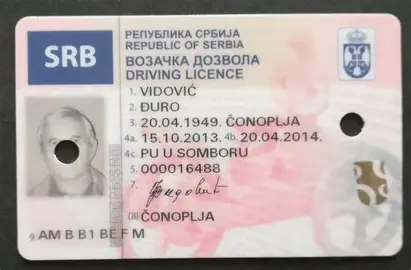
Obtaining Original Serbia Drivers Licenses
Welcome to Genuine Charter Gates, your one-stop shop for Authentic Verified EU Documents. We are authentic and verified providers of a wide range of Passports, Drivers Licenses, ID Cards, Residence Permits, Military Licenses and Certificates.
We produce Original, Real and Registered Driver’s License, ID Cards, Residence Permits, Passports, Biometric Passports. For the Driver’s License, we register all the information into their respective database systems and upon checks for conformity, using a data reading machine, all your information will show up in the system and you shall legally use the document.
Customers and the Clearnet community see us as one of the most dependable Issuers of Top Quality and Reliable nature of our Documents, Handling and our discreet delivery methods.
Contact us right now, and our professionals will be happy to help you with your requirements, advice and follow-up.
EMAIL: Genuinechartergates@gmail.com
A Serbian driver’s license is an essential document for both residents and long-term visitors who wish to legally operate a motor vehicle in Serbia. Whether you are a local citizen, an expatriate settling in the country, or someone planning an extended stay, understanding how the licensing system works can save time, money, and effort. This comprehensive guide explores everything you need to know—from eligibility requirements and application procedures to costs, categories, and practical tips.
Introduction to Driving in Serbia
Serbia has a well-developed road network connecting major cities such as Belgrade, Novi Sad, Niš, and Kragujevac. Driving is one of the most convenient ways to travel across the country, especially for those living outside urban centers or commuting regularly.
To legally drive in Serbia, you must possess a valid driver’s license. Depending on your residency status, you may either use a foreign license for a limited period or convert it into a Serbian one. For new drivers, obtaining a Serbian license involves a structured process that includes theoretical education, practical training, and examinations.
Who Needs a Serbian Driver’s License?
The requirement for a Serbian driver’s license depends on your status:
- Serbian citizens must obtain a local license to drive legally.
- Foreign residents staying longer than six months typically need to convert their license.
- Short-term visitors can usually drive with an international driving permit (IDP) alongside their home license.
- EU and certain other country license holders may have simplified conversion processes.
Understanding your category is the first step in determining whether you need to apply for a new license or exchange an existing one.
Types of Serbian Driver’s License Categories
Serbia follows a classification system similar to European standards. Each category defines what type of vehicle you are permitted to drive.
Category AM
- Mopeds and light two-wheelers
- Minimum age: 15 years
Category A1, A2, A
- Motorcycles with increasing engine capacities
- Age requirements vary (16–24 years depending on the category)
Category B
- Standard passenger vehicles up to 3,500 kg
- Most commonly obtained license
- Minimum age: 18 years
Category C
- Heavy trucks and freight vehicles
Category D
- Buses and passenger transport vehicles
Category BE, CE, DE
- Vehicles with trailers or specialized combinations
Each category requires specific training and testing tailored to the complexity of the vehicle type.
Requirements for Obtaining a Serbian Driver’s License
To apply for a Serbian driver’s license, candidates must meet several criteria:
1. Age Requirement
Applicants must meet the minimum age for their chosen category.
2. Medical Examination
Obtaining Original Serbia Drivers Licenses
Obtaining Original Serbia Drivers Licenses
Obtaining Original Serbia Drivers Licenses
Obtaining Original Serbia Drivers Licenses
A certified medical check is mandatory to confirm physical and mental fitness for driving. This includes:
- Vision test
- General health evaluation
- Psychological assessment (in some cases)
3. Theoretical Training
Candidates must attend driving school classes covering:
- Traffic laws and regulations
- Road signs and signals
- Safe driving practices
- First aid basics
4. Practical Driving Lessons
Students must complete a minimum number of driving hours with a licensed instructor. These sessions focus on:
- Vehicle control
- City driving
- Parking and maneuvering
- Highway driving
5. Passing Exams
Applicants must pass:
- A theory test
- A practical driving test
Step-by-Step Application Process
Obtaining a Serbian driver’s license involves several stages:
Step 1: Enroll in a Driving School
Choose a licensed driving school. Training is mandatory and cannot be skipped, even if you have prior informal driving experience.
Step 2: Complete Theoretical Classes
Attend all required lectures and prepare for the theory exam. Many schools offer digital learning tools and practice tests.
Step 3: Pass the Theory Exam
Obtaining Original Serbia Drivers Licenses
Obtaining Original Serbia Drivers Licenses
Obtaining Original Serbia Drivers Licenses
Obtaining Original Serbia Drivers Licenses
The test is usually conducted electronically and consists of multiple-choice questions about traffic laws and safety.
Step 4: Begin Practical Training
After passing the theory exam, you can start driving lessons with an instructor.
Step 5: Pass the Practical Exam
The final test evaluates your driving skills in real traffic conditions. An examiner assesses your ability to:
- Follow traffic rules
- Control the vehicle
- React to road situations safely
Step 6: Receive Your License
Once you pass both exams, you will receive your Serbian driver’s license.
Converting a Foreign Driver’s License
Foreign nationals living in Serbia may convert their existing license instead of starting from scratch. The process depends on the country of origin.
Required Documents
- Valid foreign driver’s license
- Certified translation (if not in Serbian)
- Proof of residence
- Medical certificate
- Application form
Important Notes
- Some countries have reciprocal agreements, allowing direct conversion without exams.
- Others may require partial or full testing.
- The original license may be retained by Serbian authorities in some cases.
Costs of Getting a Serbian Driver’s License
The total cost can vary depending on the driving school and location, but generally includes:
- Driving school tuition
- Medical examination fee
- Theory exam fee
- Practical exam fee
- License issuance fee
On average, obtaining a Category B license can cost between €500 and €800. Additional lessons or retakes will increase the overall expense.
Duration of the Process
The time required to obtain a license depends on individual progress and scheduling availability. On average:
- Theoretical training: 2–4 weeks
- Practical training: 4–8 weeks
- Exams and processing: 2–3 weeks
Overall, most candidates complete the process within 2 to 3 months.
Driving Rules and Regulations in Serbia
Obtaining Original Serbia Drivers Licenses
Obtaining Original Serbia Drivers Licenses
Obtaining Original Serbia Drivers Licenses
Obtaining Original Serbia Drivers Licenses
Understanding local traffic laws is essential for both new drivers and those converting licenses.
Key Rules
- Drive on the right-hand side of the road
- Seat belts are mandatory for all passengers
- Headlights must be on at all times, even during the day
- Mobile phone use while driving is prohibited unless hands-free
Speed Limits
- Urban areas: 50 km/h
- Open roads: 80 km/h
- Highways: 120–130 km/h
Alcohol Limits
- Standard limit: 0.03% BAC
- Zero tolerance for professional drivers and new drivers
Violations can result in fines, penalty points, or license suspension.
Benefits of Having a Serbian Driver’s License
Obtaining a Serbian driver’s license offers several advantages:
Legal Compliance
Ensures you meet local regulations and avoid fines or penalties.
Ease of Travel
Provides flexibility to explore Serbia’s cities, countryside, and neighboring regions.
Identification Document
A driver’s license can serve as an official form of ID within the country.
Employment Opportunities
Many jobs require a valid driver’s license, especially in logistics, delivery, and transportation sectors.
Tips for Passing the Driving Test
Success in the licensing process requires preparation and practice. Here are some practical tips:
Study Consistently
Use official materials and practice tests to master traffic rules.
Take Extra Lessons if Needed
If you feel uncertain, additional driving sessions can improve confidence.
Stay Calm During Exams
Nervousness can lead to mistakes. Focus on safe and steady driving.
Learn from Mistakes
If you fail a test, review your errors and try again with better preparation.
Common Challenges and How to Overcome Them
Obtaining Original Serbia Drivers Licenses
Obtaining Original Serbia Drivers Licenses
Obtaining Original Serbia Drivers Licenses
Obtaining Original Serbia Drivers Licenses
Language Barrier
Many driving schools offer instruction in Serbian. Some provide English-language support, so choose accordingly.
Exam Anxiety
Practice and familiarity with the test format can reduce stress.
Scheduling Delays
Plan ahead and book lessons and exams early to avoid long waiting times.
Renewal and Validity
Serbian driver’s licenses are typically valid for 10 years for most categories. Renewal requires:
- Updated medical certificate (if necessary)
- Administrative application
- Payment of renewal fees
Failure to renew on time may result in penalties or the need for additional procedures.
A Serbian driver’s license is an essential document for both residents and long-term visitors who wish to legally operate a motor vehicle in Serbia. Whether you are a local citizen, an expatriate settling in the country, or someone planning an extended stay, understanding how the licensing system works can save time, money, and effort. This comprehensive guide explores everything you need to know—from eligibility requirements and application procedures to costs, categories, and practical tips.
Introduction to Driving in Serbia
Serbia has a well-developed road network connecting major cities such as Belgrade, Novi Sad, Niš, and Kragujevac. Driving is one of the most convenient ways to travel across the country, especially for those living outside urban centers or commuting regularly.
Obtaining Original Serbia Drivers Licenses
Obtaining Original Serbia Drivers Licenses
Obtaining Original Serbia Drivers Licenses
Obtaining Original Serbia Drivers Licenses
To legally drive in Serbia, you must possess a valid driver’s license. Depending on your residency status, you may either use a foreign license for a limited period or convert it into a Serbian one. For new drivers, obtaining a Serbian license involves a structured process that includes theoretical education, practical training, and examinations.
Who Needs a Serbian Driver’s License?
The requirement for a Serbian driver’s license depends on your status:
- Serbian citizens must obtain a local license to drive legally.
- Foreign residents staying longer than six months typically need to convert their license.
- Short-term visitors can usually drive with an international driving permit (IDP) alongside their home license.
- EU and certain other country license holders may have simplified conversion processes.
Understanding your category is the first step in determining whether you need to apply for a new license or exchange an existing one.
Types of Serbian Driver’s License Categories
Serbia follows a classification system similar to European standards. Each category defines what type of vehicle you are permitted to drive.
Category AM
- Mopeds and light two-wheelers
- Minimum age: 15 years
Category A1, A2, A
- Motorcycles with increasing engine capacities
- Age requirements vary (16–24 years depending on the category)
Category B
Obtaining Original Serbia Drivers Licenses
Obtaining Original Serbia Drivers Licenses
Obtaining Original Serbia Drivers Licenses
Obtaining Original Serbia Drivers Licenses
- Standard passenger vehicles up to 3,500 kg
- Most commonly obtained license
- Minimum age: 18 years
Category C
- Heavy trucks and freight vehicles
Category D
- Buses and passenger transport vehicles
Category BE, CE, DE
- Vehicles with trailers or specialized combinations
Each category requires specific training and testing tailored to the complexity of the vehicle type.
Requirements for Obtaining a Serbian Driver’s License
To apply for a Serbian driver’s license, candidates must meet several criteria:
1. Age Requirement
Applicants must meet the minimum age for their chosen category.
2. Medical Examination
A certified medical check is mandatory to confirm physical and mental fitness for driving. This includes:
- Vision test
- General health evaluation
- Psychological assessment (in some cases)
3. Theoretical Training
Candidates must attend driving school classes covering:
- Traffic laws and regulations
- Road signs and signals
- Safe driving practices
- First aid basics
4. Practical Driving Lessons
Students must complete a minimum number of driving hours with a licensed instructor. These sessions focus on:
- Vehicle control
- City driving
- Parking and maneuvering
- Highway driving
5. Passing Exams
Applicants must pass:
- A theory test
- A practical driving test
Costs of Getting a Serbian Driver’s License
Obtaining Original Serbia Drivers Licenses
Obtaining Original Serbia Drivers Licenses
Obtaining Original Serbia Drivers Licenses
Obtaining Original Serbia Drivers Licenses
The total cost can vary depending on the driving school and location, but generally includes:
- Driving school tuition
- Medical examination fee
- Theory exam fee
- Practical exam fee
- License issuance fee
On average, obtaining a Category B license can cost between €500 and €800. Additional lessons or retakes will increase the overall expense.
Duration of the Process
The time required to obtain a license depends on individual progress and scheduling availability. On average:
- Theoretical training: 2–4 weeks
- Practical training: 4–8 weeks
- Exams and processing: 2–3 weeks
Overall, most candidates complete the process within 2 to 3 months.
Driving Rules and Regulations in Serbia
Understanding local traffic laws is essential for both new drivers and those converting licenses.
Key Rules
- Drive on the right-hand side of the road
- Seat belts are mandatory for all passengers
- Headlights must be on at all times, even during the day
- Mobile phone use while driving is prohibited unless hands-free
Speed Limits
- Urban areas: 50 km/h
- Open roads: 80 km/h
- Highways: 120–130 km/h
Alcohol Limits
- Standard limit: 0.03% BAC
- Zero tolerance for professional drivers and new drivers
Violations can result in fines, penalty points, or license suspension.
Benefits of Having a Serbian Driver’s License
Obtaining a Serbian driver’s license offers several advantages:
Legal Compliance
Ensures you meet local regulations and avoid fines or penalties.
Ease of Travel
Provides flexibility to explore Serbia’s cities, countryside, and neighboring regions.
Identification Document
A driver’s license can serve as an official form of ID within the country.
Employment Opportunities
Many jobs require a valid driver’s license, especially in logistics, delivery, and transportation sectors.
Tips for Passing the Driving Test
Success in the licensing process requires preparation and practice. Here are some practical tips:
Study Consistently
Use official materials and practice tests to master traffic rules.
Take Extra Lessons if Needed
If you feel uncertain, additional driving sessions can improve confidence.
Stay Calm During Exams
Nervousness can lead to mistakes. Focus on safe and steady driving.
Learn from Mistakes
If you fail a test, review your errors and try again with better preparation.
Common Challenges and How to Overcome Them
Language Barrier
Many driving schools offer instruction in Serbian. Some provide English-language support, so choose accordingly.
Exam Anxiety
Practice and familiarity with the test format can reduce stress.
Scheduling Delays
Plan ahead and book lessons and exams early to avoid long waiting times.
Renewal and Validity
Serbian driver’s licenses are typically valid for 10 years for most categories. Renewal requires:
- Updated medical certificate (if necessary)
- Administrative application
- Payment of renewal fees
Failure to renew on time may result in penalties or the need for additional procedures.
Driving in Serbia with an International License
Visitors can use an international driving permit (IDP) along with their original license for a limited time. However:
- The IDP must be valid and issued in accordance with international conventions
- Long-term residents must eventually switch to a Serbian license
Digitalization and Modern Developments
Serbia has been gradually modernizing its licensing system. Recent improvements include:
- Electronic testing systems
- Centralized databases
- Improved road safety education
Future developments may include digital licenses and mobile app integration for easier access and verification.
Frequently Asked Questions
Can I drive in Serbia with a foreign license?
Yes, for a limited period. Long-term residents must convert their license.
How difficult is the driving test?
It is considered moderately challenging but manageable with proper preparation.
Is it mandatory to attend a driving school?
Yes, enrollment in a licensed driving school is required for new applicants.
Can I choose automatic transmission?
Yes, but your license may be restricted to automatic vehicles only.
Conclusion
A Serbian driver’s license is more than just a legal requirement—it is a gateway to mobility, independence, and opportunity within the country. Whether you are starting from scratch or converting an existing license, understanding the process can help you navigate it efficiently.
From structured training programs to clearly defined regulations, Serbia offers a comprehensive system designed to ensure road safety and driver competence. By following the steps outlined in this guide, you can approach the process with confidence and achieve your goal of becoming a licensed driver in Serbia.
With preparation, patience, and the right resources, obtaining a Serbian driver’s license is a straightforward and rewarding experience that opens up new possibilities for travel, work, and everyday life.